Bathroom Tiles and Shower Upgrades That Actually Improve a Bathroom
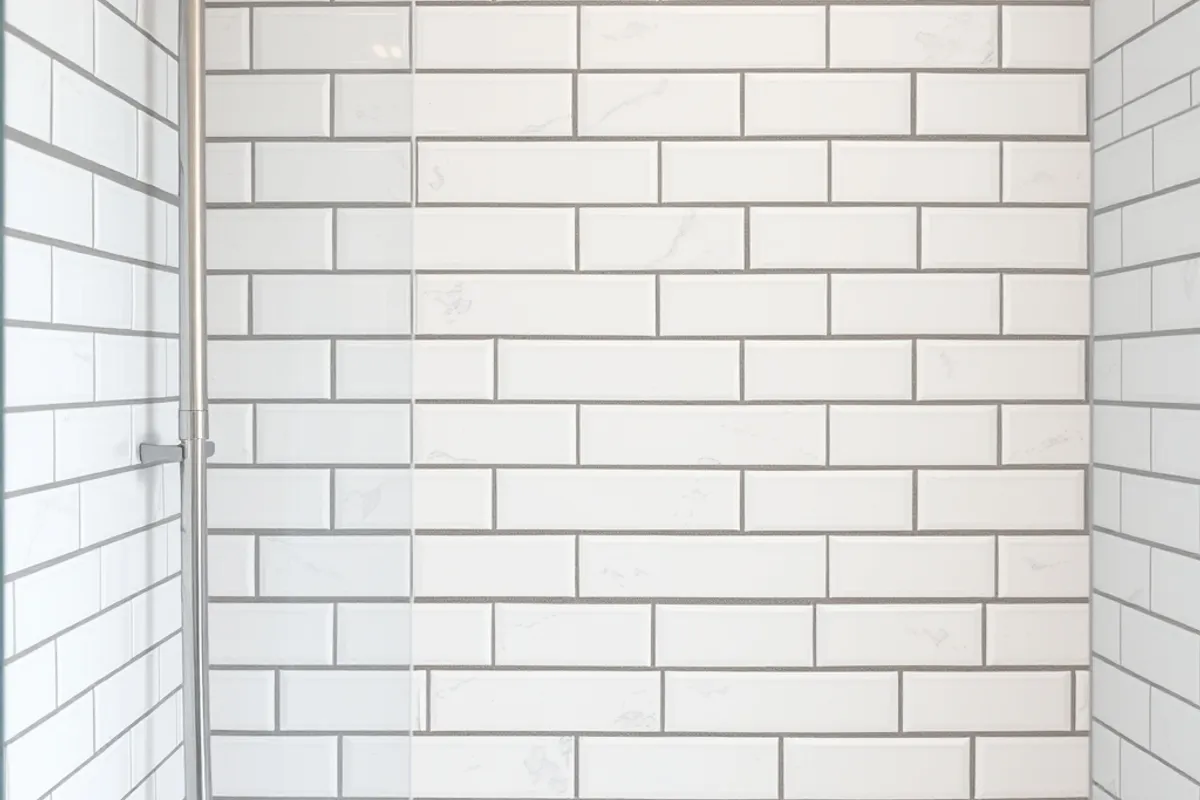
Bathroom tiles and showers are where design intention and real construction meet. The difference between a bathroom that feels calm and one that feels like a hospital is usually layout discipline: drain placement, shower enclosure clearances, and how the tile meets the wall before anyone ever sees the room.
Key facts
- Shower waterproofing must be continuous behind the pan and around openings; cracks here are catastrophic, not cosmetic.
- Drain placement sets the whole shower layout; moving it later is expensive.
- Large format tile reduces grout lines and visual noise but demands precise substrate prep.
- Towel bars, toilet roll holders and benches should be planned in the same pass as tile.
Why most bathroom showers underperform
Most bathroom showers are designed around a drain location inherited from the previous layout, then tile is chosen to fit whatever is left. The result is a functional shower with poor proportions. A genuinely good upgrade starts with the drain and works outward.
From there, the upgrade decisions are about materials rather than decoration. Large format porcelain, glass blocks or frameless panels change the feel without doubling the tile count, and the cost is mostly labour. That is why the best shower upgrades in 2026 deliver more perceived quality per dollar than any new fixture colour.
Tile materials that age well
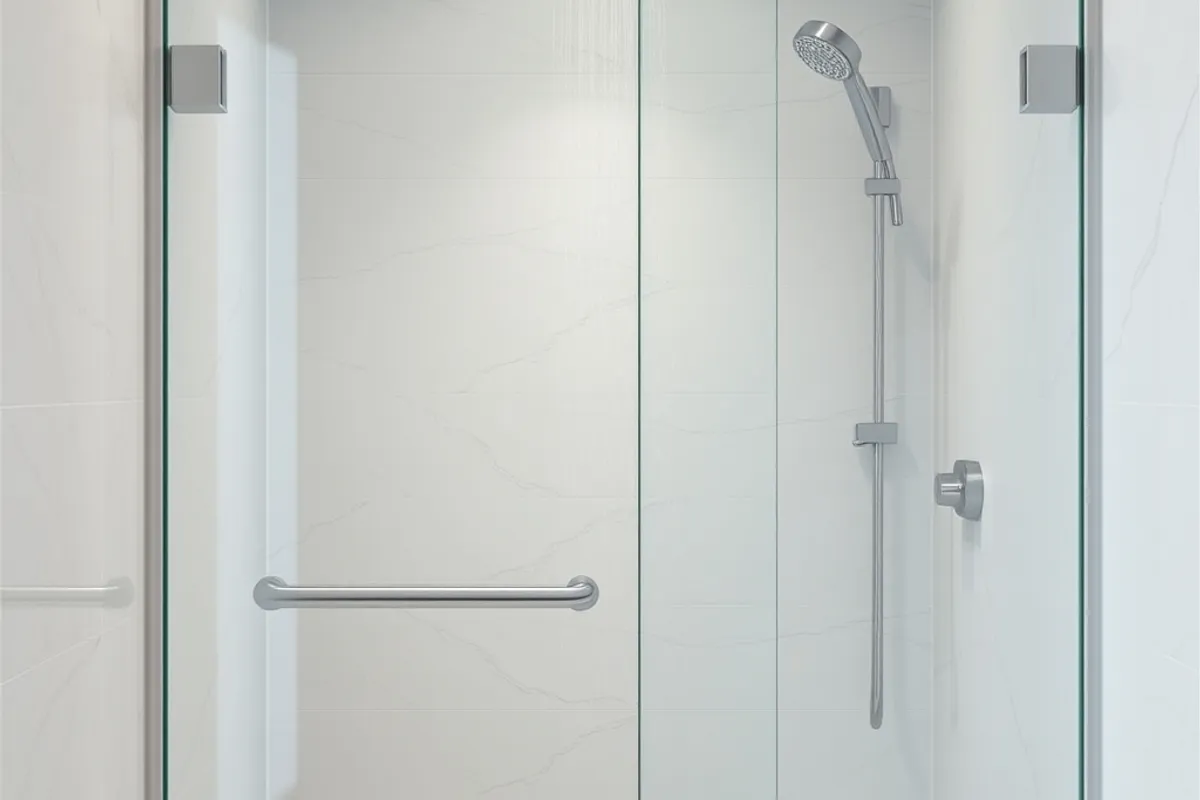
Porcelain with a matte or brushed finish hides water and wear better than glossy ceramic in a wet room. Natural stone is beautiful and expensive, and it needs sealing and care. Whatever the choice, the substrate preparation matters more than the tile itself, and a good installer will tell you when a material is the wrong choice for the room.
The most common upgrade mistake is treating walls and floor as the same system. They are not: walls take tile differently than floors, floors need slip resistance, and the shower niche must be waterproofed. Done properly, the upgrade is invisible in the best way - just better.
A great bathroom upgrade is mostly invisible. You feel it in how easy the shower is to clean, how the light behaves, and how the room smells after use.
From shower to whole bathroom
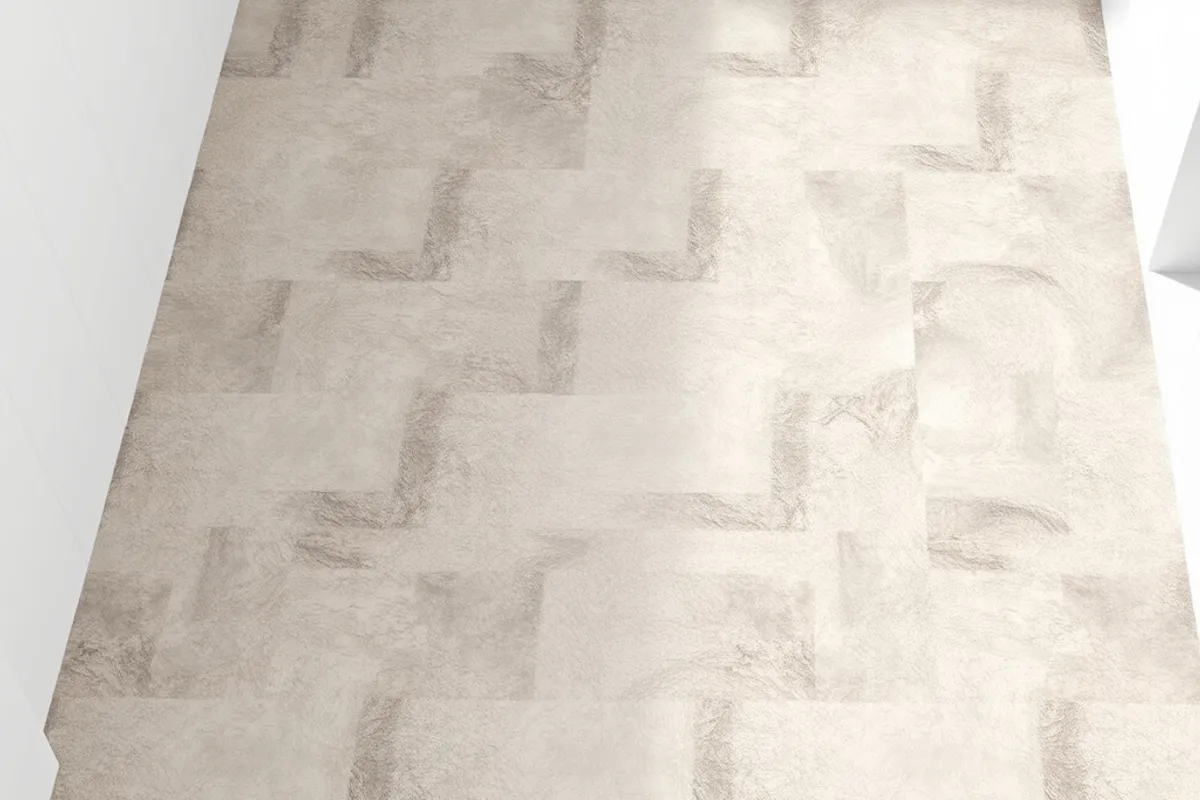
A shower upgrade rarely stands alone for long. Once the shower is right, the vanity, lighting, mirror and storage usually need to follow because the eye reads the room as a set. Planning them together is what separates a boutique bathroom from a contractor-grade renovation.
Upgrade priority list
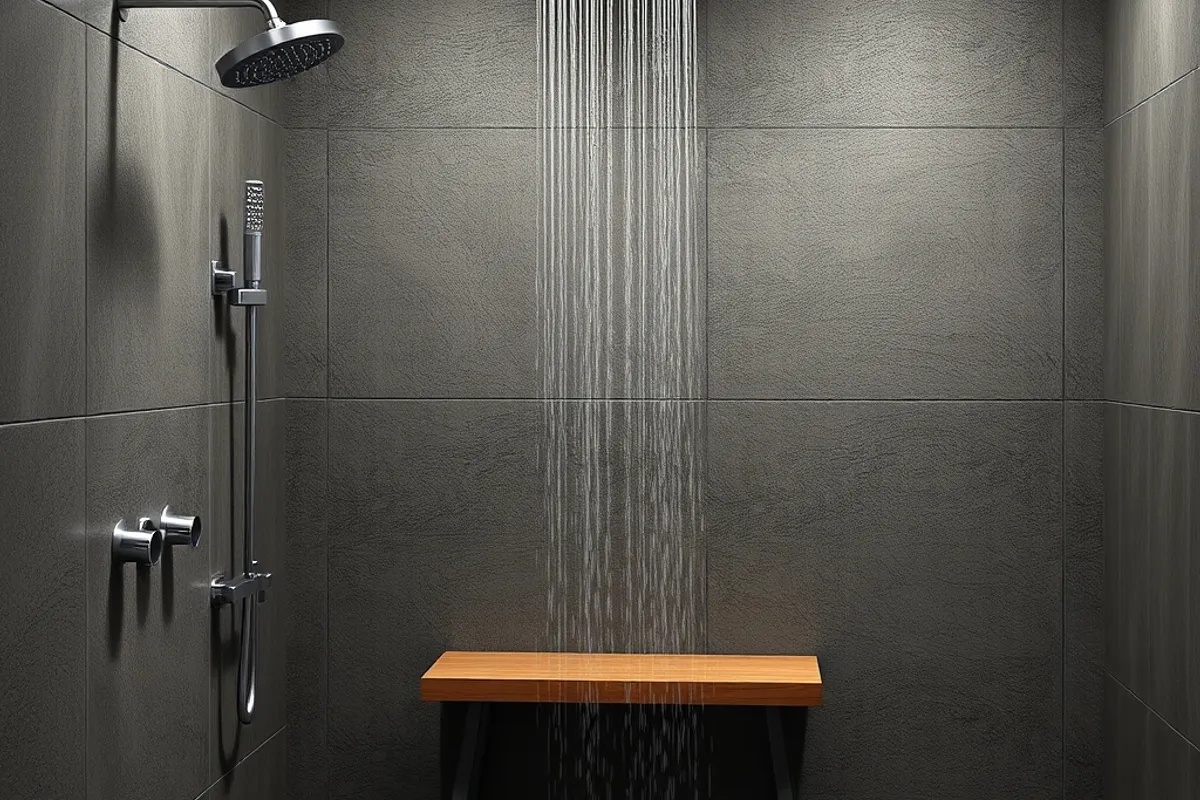
Start with waterproofing and layout if renovating, then the shower system, then tile, then the remaining trades. Upgrade the things that wear, then the things that please. The bathroom that gets this order right is the bathroom that lasts.
Frequently asked questions
Does shower waterproofing really need to be continuous?
Yes. Shingles, pans and glass all need continuous waterproofing behind the shower area; cracks here are catastrophic rather than cosmetic.
Does larger tile improve a shower?
Large format tile reduces grout lines and visual noise and delivers more perceived quality per dollar, but demands precise substrate preparation and often more labour.
Should I upgrade the bench, rain head or body spray first?
Upgrade the rain head and body spray as one system decision, then plan the bench and accessories in the same pass as the tile.