Smart Home Security 2026: Cameras, Sensors and Entry Control Done Right
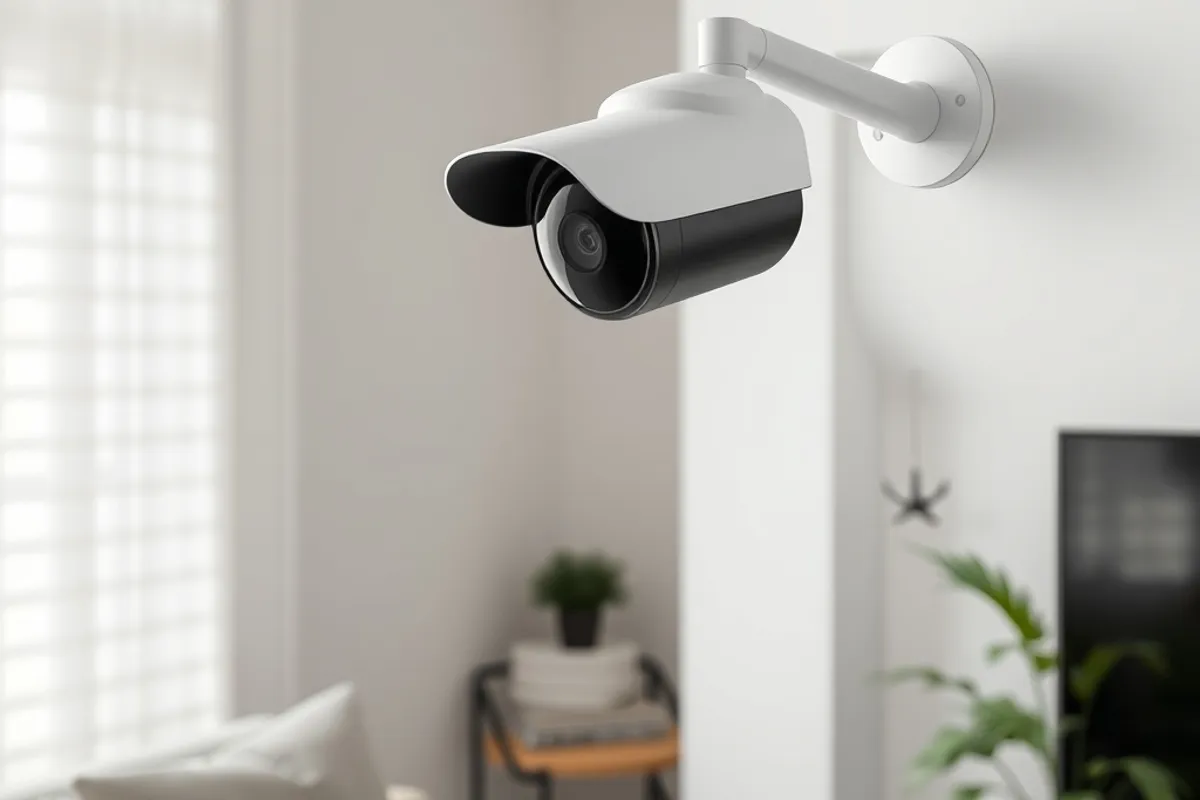
Whole-home smart security in 2026 is about layered coverage rather than one expensive camera. The design decisions that matter are camera placement, sensor type, entry control and privacy. Done right, the system protects the home without requiring anyone to watch a feed or maintain a subscription.
Key facts
- Entry control should use local auto-lock and encrypted locks; app-only locks are the weakest design.
- Camera placement beats camera resolution: angle, height and field of view matter more than megapixels.
- Motion sensors for lighting and security should be passive infrared or mmWave, placed to avoid pets and heat sources.
- Hub-based storage keeps footage local and reduces subscription dependence.
- Privacy zones and audio disable should be configured at install, not after.
Camera placement that works
Exterior cameras need height, angle and field of view that cover entry points without including the street in a way that captures neighbours. Interior cameras should cover the primary living areas and entry points, not bedrooms. The common failure is a wide-angle camera placed high enough to see a car park - coverage that is useful for security and useless for privacy.
Storage design is part of placement: hub storage keeps footage local, which matters for both privacy and reliability. Cloud subscriptions should be optional, never mandatory.
Sensors and entry control
Entry control should combine lock hardware with sensor awareness: door open sensors, glass break sensors and motion lighting. The design goal is detection with minimal nuisance alerts - motion sensors that ignore pets, entry sensors that distinguish open/closed without flapping.
A smart home security system that alarms at 3am about a cat is worse than no system at all.
Privacy by design
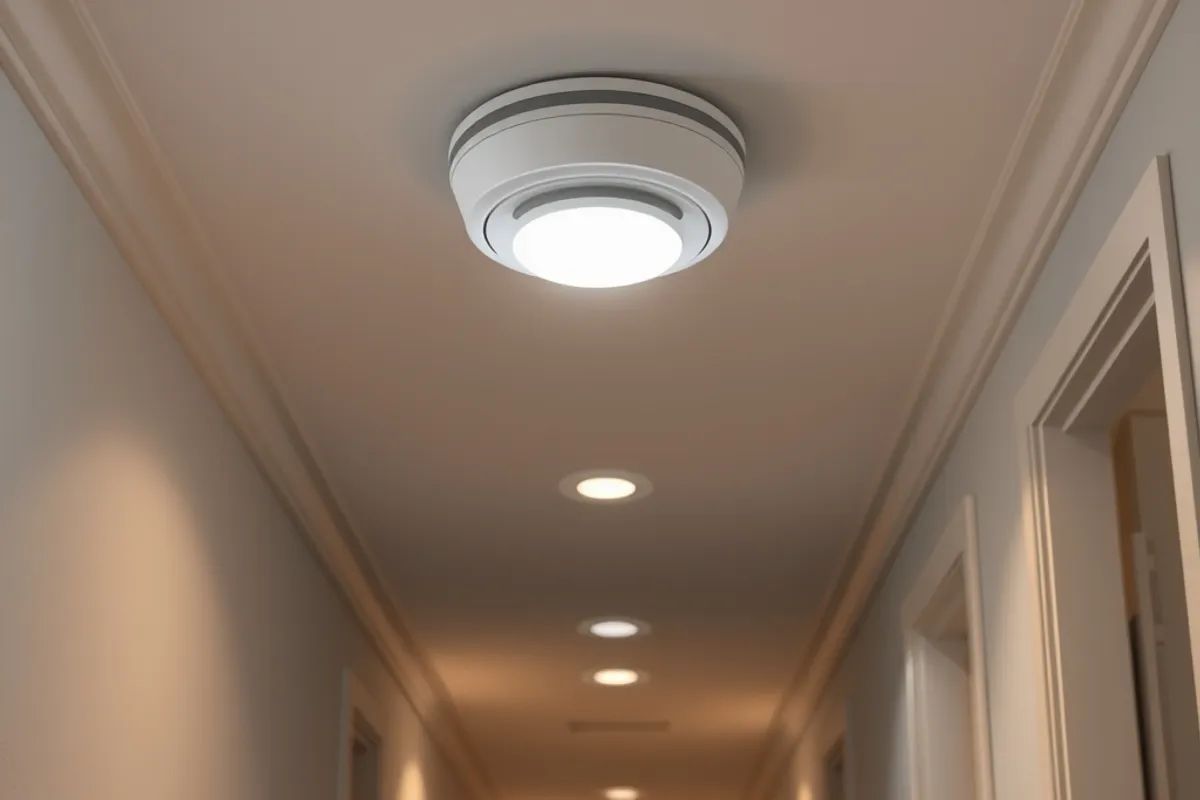
Disable audio recording where not needed, set privacy zones over neighbours' windows and yards, and keep footage local where possible. A system that protects the home while respecting the household is the system that gets used consistently.
Verification checklist
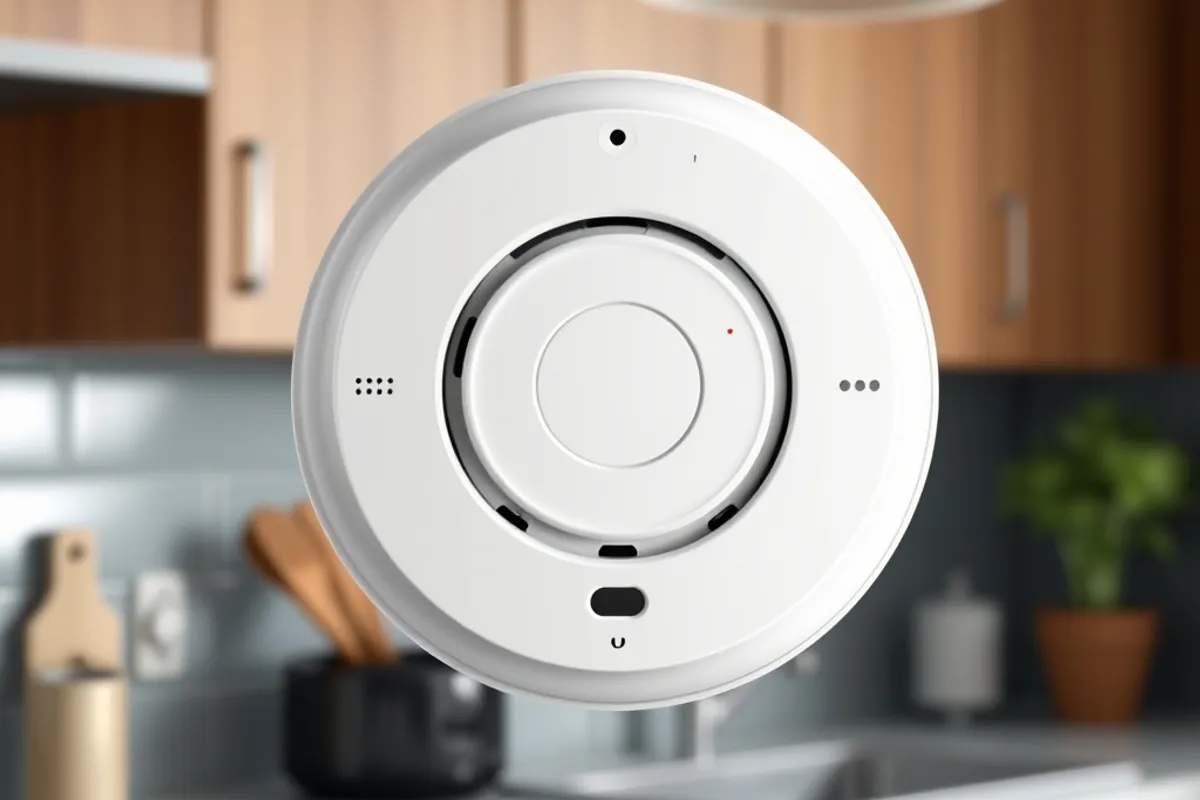
Before activating, verify lock operation from inside and outside, camera angles against real movement, sensor blind spots, and alert tuning. Then test the entry scene end to end.
Frequently asked questions
Where should indoor security cameras be placed?
Cover primary living areas and entry points, not bedrooms. High corners for exterior coverage, with field of view tuned to entry points rather than broad streets.
Is cloud storage or local storage better for security?
Local hub storage keeps footage on device, which matters for privacy and reliability; cloud should be optional rather than mandatory.
How do I reduce false alarms from motion sensors?
Place sensors away from pets and heat sources, use passive infrared or mmWave where appropriate, and tune alerts by zone.