Best Property Investment Strategies 2026: Buying for Cash Flow

Property investment in 2026 is less about finding the prettiest house and more about reading the numbers before anyone else does. The strategies that survived the last rate cycle are boring on purpose: buy where demand is proven, under-promise and over-deliver on rent, and treat maintenance as a line item rather than an afterthought. This guide maps the investment strategies we use when covering rental markets for our readers.
Key facts
- Cash flow is the primary metric: rental income minus mortgage, tax, insurance, maintenance and vacancy.
- Location fundamentals - job growth, population inflow, rental supply pipeline - predict more than current yields.
- Single family rentals and small multi-family units remain the most documented strategies for beginners.
- Interest rate cycles change the optimal strategy: lower rates favour stretching to higher-value assets.
- A vacancy reserve of 5 to 8 percent beats optimistic assumptions.
Why cash flow beats gross yield
The gross yield on a listing is the first thing an investor looks at and the least honest. Gross yield ignores vacancy, repairs, capital expenditure and the tax treatment of depreciation. Cash flow starts after all of those are budgeted. A property can show a handsome gross yield and still lose money every year it is held.
In 2026 the cash flow maths shifted again as financing costs normalised. The strategies that worked in the low-rate years - stretching to sub-markets and stretching loan terms - now need a deeper discount to clear the bar. The result is a smaller but more disciplined opportunity set, and that is fine.

The three strategies we test
The first strategy is the single family rental in a high-demand corridor. It remains the most documented because the asset class has the longest track record of cash flow positive ownership. The second is the small multi-family unit, often a duplex or fourplex, where one motivated tenant group can support a whole building. The third is the opportunistic renovation play: buy under-market, add light value, and hold for rent.
Each strategy has a market it suits. Corridor rentals reward patience; small multi-family units reward local knowledge; renovation plays reward contractor judgement. The mistake is applying one strategy everywhere, which is how portfolios end up mediocre.
The best property investment strategy is the one that survives a vacancy, a repair and a rate hike without becoming a second mortgage.

How we compare opportunities
Every recommendation we publish starts from the same model: gross rent, operating expenses, loan payment, tax position and a conservative vacancy and maintenance reserve. We publish the model, not just the verdict, so readers can pressure-test the numbers against their own markets.
Before buying, check the rent-to-price ratio against local history, the rental supply pipeline in the sub-market, and the quality of the property manager you would need. A great property in a mediocre market is a bad investment; a mediocre property in a great market is often a great one.
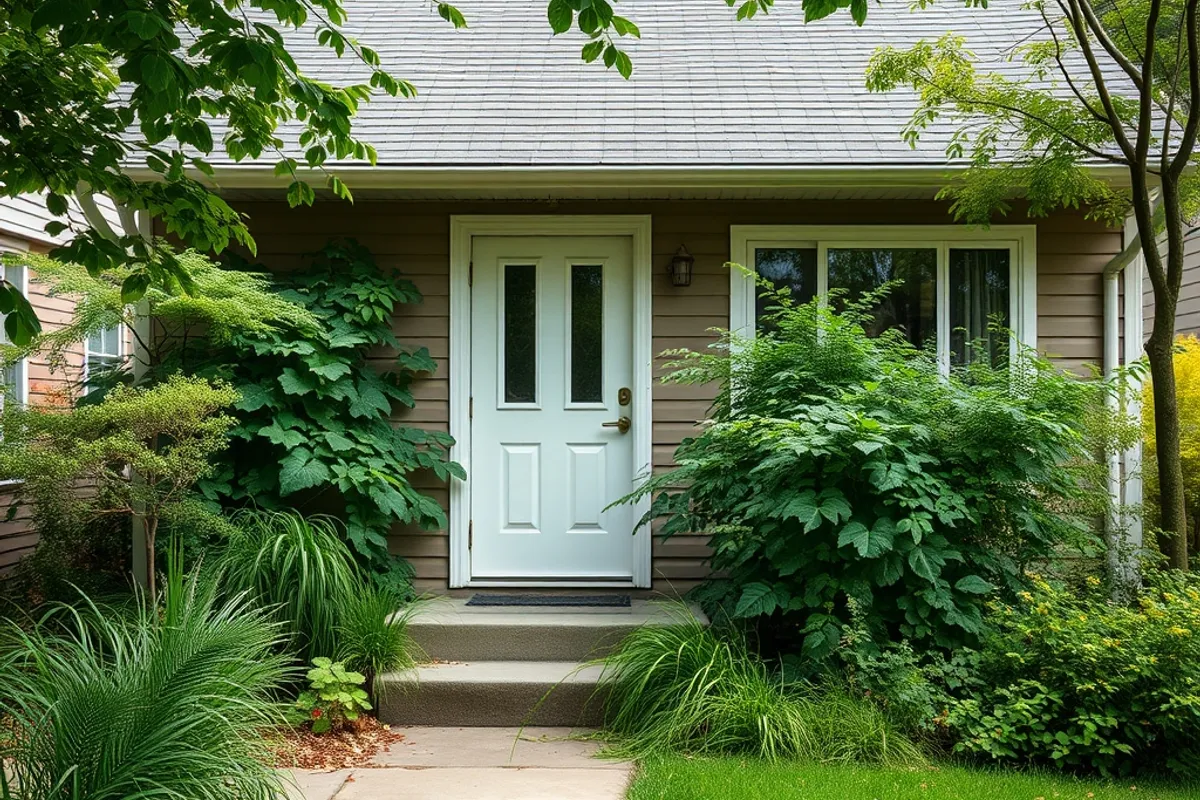
Buying checklist for 2026
Before making an offer, confirm the rent you can actually achieve, the expenses you will actually pay, and the contingency you need for a property that may need work. A disciplined offer process beats a clever strategy every time.
Frequently asked questions
How much cash flow should a rental property produce?
Cash flow is the metric that matters for affordability. Many first rentals aim for positive cash flow within the first year; a property producing 5 to 8 percent net yield after reserves is a solid target.
What location factors matter most for rental investment?
Job growth, population inflow, rental supply pipeline and school catchment quality are the strongest predictors. Buyers should compare rent-to-price ratios against local history before committing.
Do interest rate cycles change the best strategy?
Yes. Low-rate cycles favour stretching to higher-value assets; higher-rate cycles favour cash-flow-first rentals and renovation plays with clear value-add paths.