Smart Home Automation Starter Guide 2026: The First Five Devices
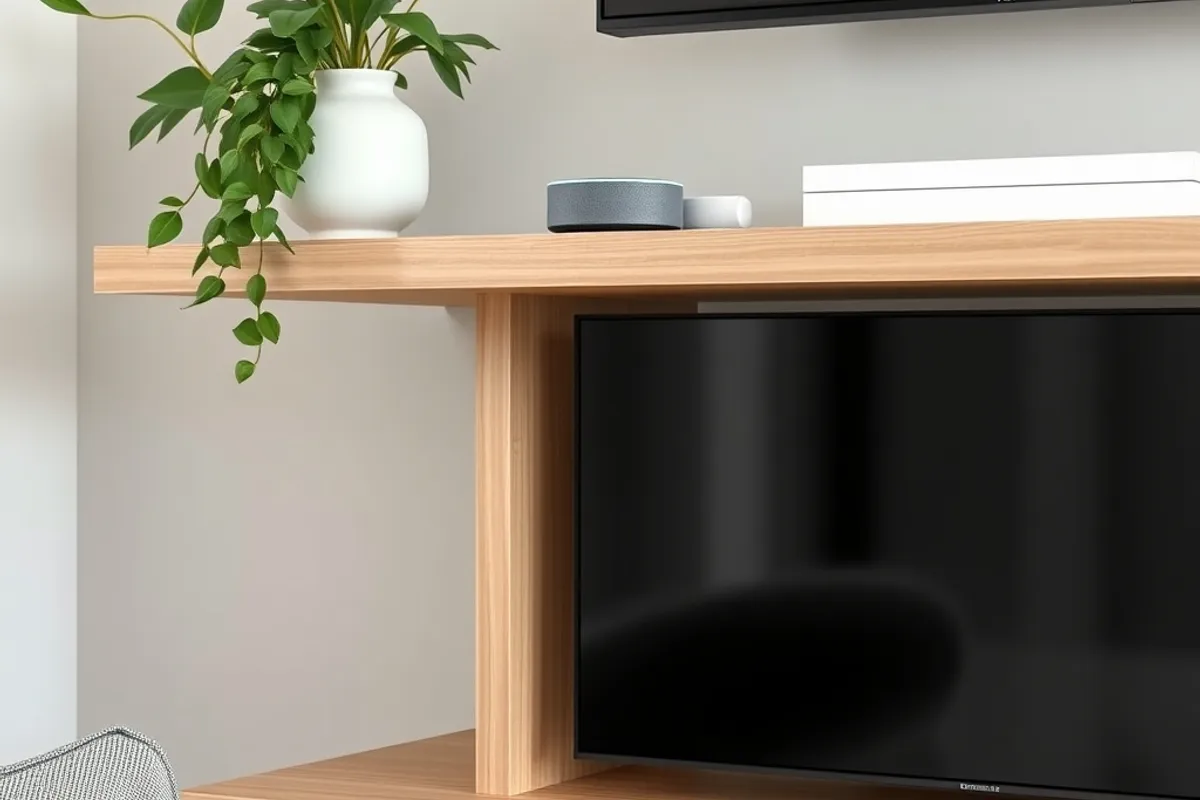
The smart home starter guide 2026 is shorter than most marketing campaigns suggest because the value is concentrated. Five devices - a hub or speaker, smart lighting, a smart thermostat, a smart lock and a motion sensor - cover security, comfort and energy without turning the house into a lab. The rest of the system can grow from there.
Key facts
- Start with a hub or voice assistant that supports local control, not cloud-only routines.
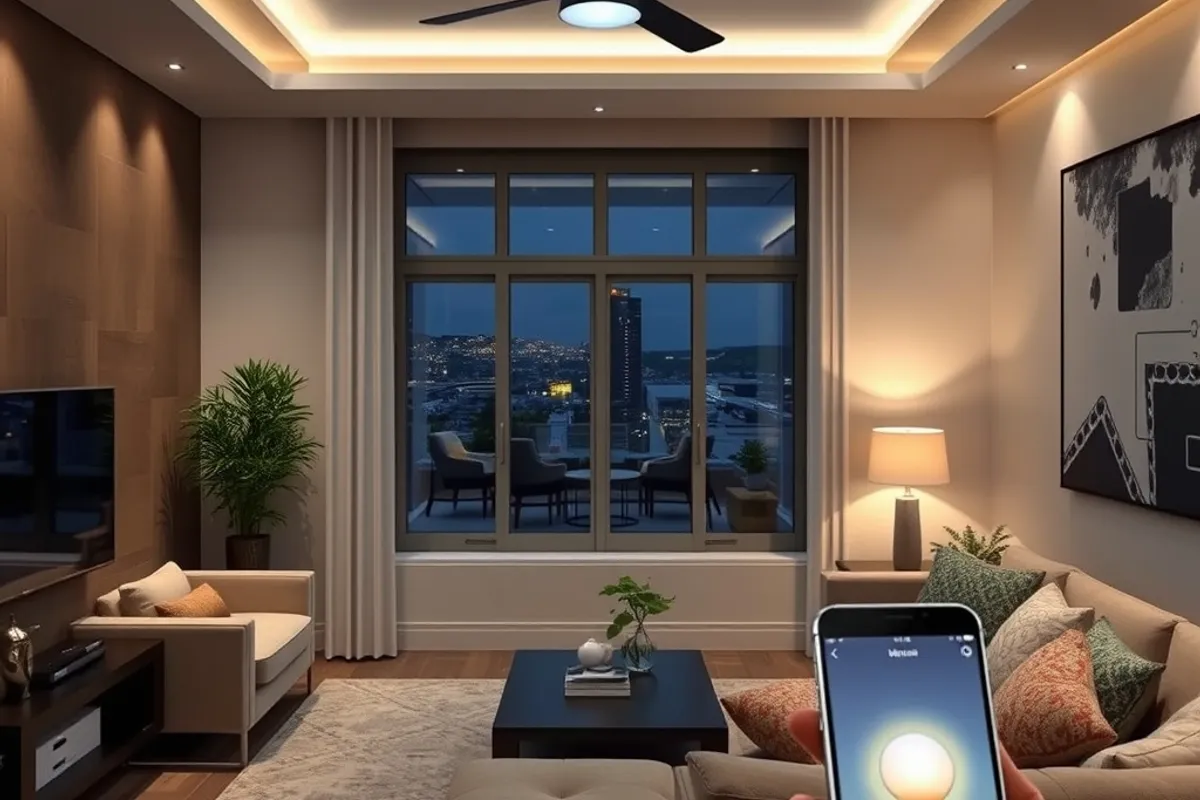
- Smart lighting should cover high-traffic paths and relaxation zones, not every room day one.
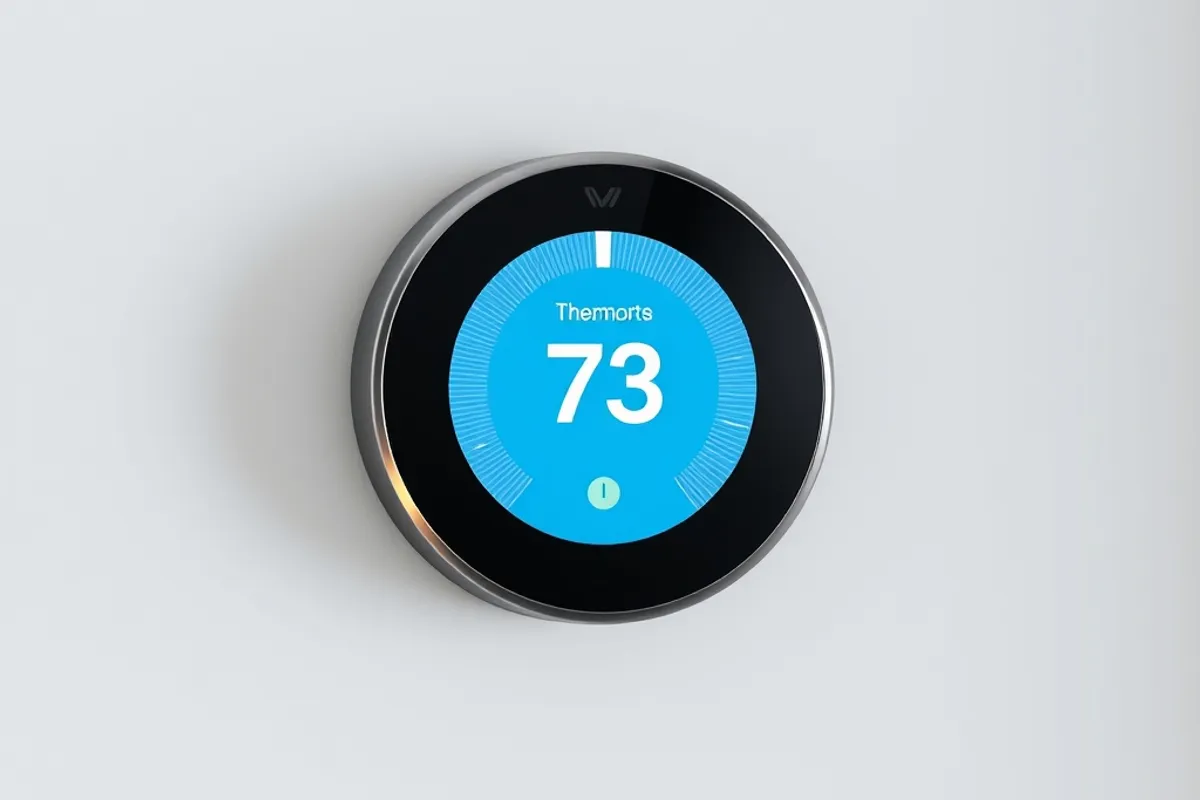
- A smart thermostat earns its keep through scheduling and geofencing alone.
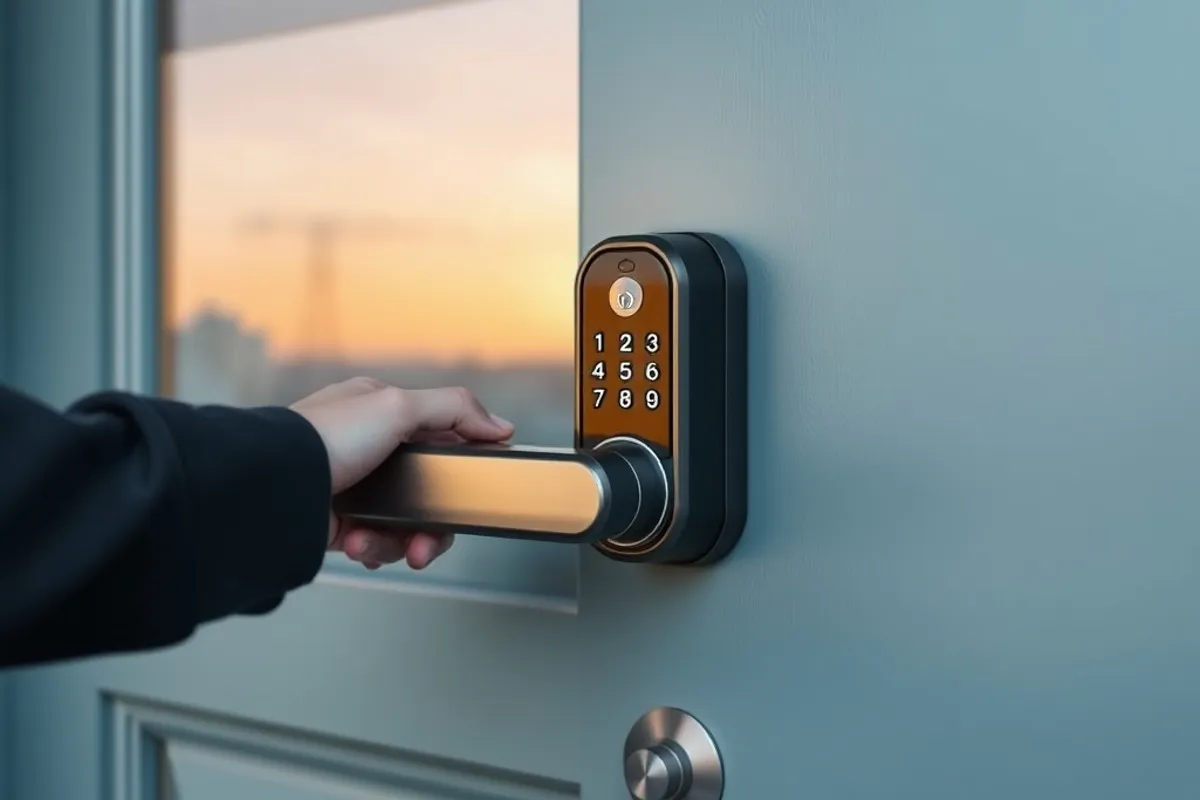
- Smart locks should use local auto-lock schedules rather than app-only locking.
- Motion sensors should trigger lighting and scenes, not security cameras.
Why the first five devices matter
Most starter kits fail because they buy devices instead of outcomes. Security outcome: entry control and motion awareness. Comfort outcome: lighting scenes and thermostat schedule. Energy outcome: scheduling and occupancy. Those three outcomes map cleanly onto five devices, and every additional device has to earn its place against one of them.
The choice of hub matters more than the choice of any single gadget. Local control, multi-room audio and a single automation engine keep the system responsive. Cloud-dependent setups work until the internet blip, and in a home where lights and locks should still work, that distinction is not academic.
Installing the starter system
Install lighting first so scenes have something to control, then thermostat, then lock, then sensors. Wiring matters: smart switches need neutral wires, sensors need placement that avoids pet traffic and direct sun, and locks need door compatibility. Plan for the neutral requirement before buying.
The best smart home starter system is invisible: the family never opens the app because the house just does the right thing.
What to automate first
Start with three automations: entry (lock and lights together), away (arms everything), and comfort (thermostat schedule and lighting scenes). Add energy automations only after the first two are stable, because they need reliable presence data.
Scaling without complexity
Design for the second and third year from day one. Group devices into logical rooms, name scenes clearly, and keep a single automation layer. The starter system should feel like a finished product, not a pile of gadgets.
Frequently asked questions
What are the first five smart home devices to buy?
A hub or voice assistant with local control, smart lighting, smart thermostat, smart lock and a motion sensor. They cover security, comfort and energy in the smallest useful system.
Do smart switches require a neutral wire?
Most smart switches do; check the specific model before buying. Install lighting first so scenes have something to control.
What should I automate first in a new smart home?
Entry (lock and lights together), away (arms everything), and comfort (thermostat schedule and lighting scenes) before adding energy automations.