Commercial Construction Costs 2026: Per-Square-Meter Realities
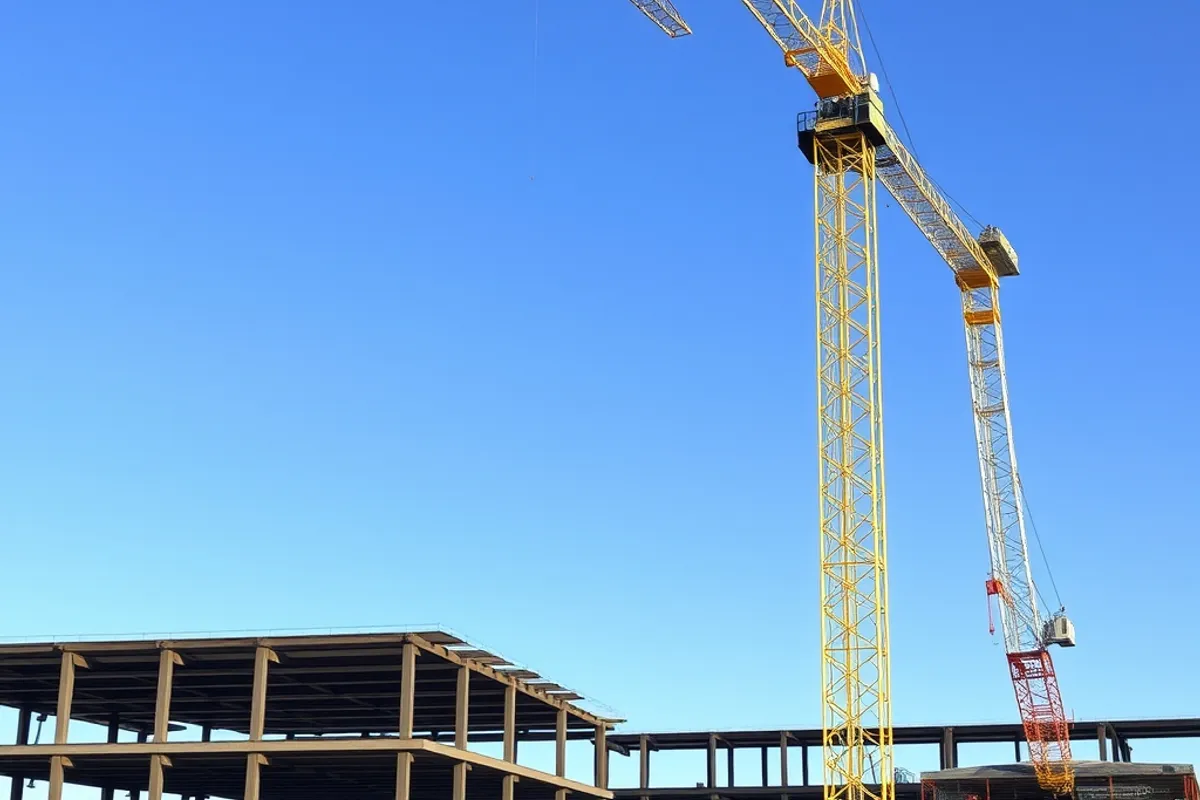
Commercial construction costs in 2026 are quoted per square metre for a reason: the building classes behave differently and so do the contracts. A shell building and a tenant fit-out are different cost centres with different risk profiles, and mixing them into one figure produces numbers that mean nothing to either party.
Key facts
- Shell construction is typically quoted per square metre by class; fit-outs are quoted by tenant scope.
- Hard cost differs from soft cost: design, permits and financing usually dominate commercial budgets more than residential.
- Structure, envelope and MEP (mechanical, electrical, plumbing) drive the bulk of shell cost.
- Fit-outs add 20 to 40 percent on top of shell for typical office tenant work.
- Schedules slip most often at the shell-to-fit-out handover.
What per-square-metre numbers include
Commercial per-square-metre figures published in 2026 bundle structure, envelope, mechanical, electrical and plumbing for the shell, plus design and delivery for the turnkey figure. The spread between classes is large: light industrial is materially cheaper per square metre than mid-rise office, which is cheaper than health care or education use.
When a reader asks what a commercial project really costs, the honest answer is that the shell number only becomes real after the fit-out scope is fixed. A shell at 1,200 per square metre with a bare fit-out at 800 can become a very different building than the same shell with a finished fit-out at 1,800.

What drives commercial budgets north
Structure and envelope dominate and move with material and market conditions. MEP is second and is where tenant fit-out disputes live. Soft costs - design, permits, financing - are larger in commercial than residential and are frequently underestimated because they are spread across the project rather than visible as a line item.
Commercial schedules also carry longer lead times, which is both a cost and a risk. The gap between shell completion and fit-out start is where projects go wrong, and it is usually a landlord, architect or contractor coordination failure rather than a construction failure.

Shell versus fit-out in practice
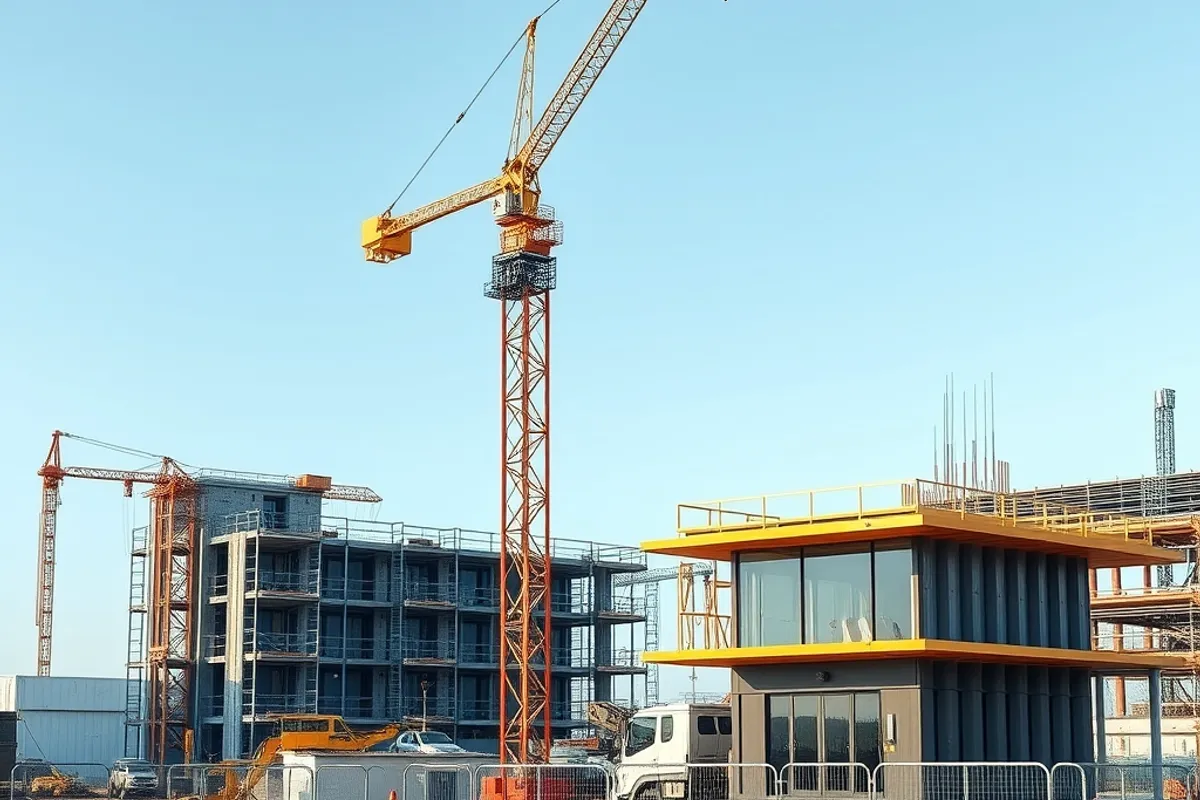
Serious commercial programmes separate the two scopes from day one. The shell supports the tenant; the fit-out serves the user. Pricing them separately gives each a defensible number and prevents the classic error of a shell quoted for finished space.
In commercial construction the shell is a building and the fit-out is a business. They should never be quoted by the same spreadsheet.
Cost planning checklist
Before anyone prices a commercial project, agree the building class, the shell scope, the fit-out scope, and the soft cost allowance. Then get three quotes at the same scope. The per-square-metre number is only as honest as the assumptions behind it.
Frequently asked questions
What does commercial construction cost per square metre?
Published shell figures vary widely by building class, and should be read alongside the fit-out scope. A shell figure is not a building figure until fit-out is priced.
What adds the most to a commercial construction budget?
Structure and envelope drive shell cost; MEP and tenant fit-outs drive the total. Soft costs including design and permits are larger in commercial than residential.
How much does a tenant fit-out add over shell?
Typical office fit-outs add roughly 20 to 40 percent on top of shell cost, though retail and industrial vary widely.